Comprehensive Facilities Plan
Comprehensive Facilities Plan
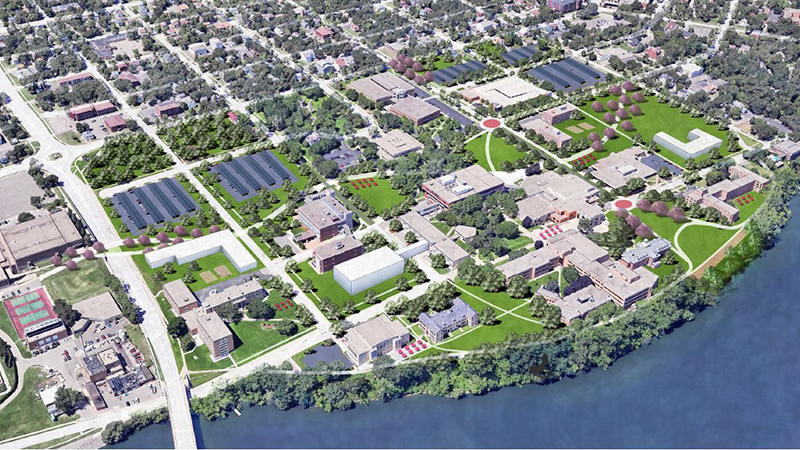
St. Cloud State University announced in July of 2024 a new Comprehensive Facilities Plan that defines and prioritizes how space is used on campus in order to create a more vibrant, connected campus environment. A Comprehensive Facilities Plan is the guiding document for short-term and long-term planning of the physical campus (buildings, landscaping, and hardscaping). This Comprehensive Facilities Plan will serve as an action guide to realigning the physical spaces with the institution's new and evolving needs.
St. Cloud State maintains more square feet of buildings per student than any other Minnesota State institution, highlighting the need to occupy less space while enhancing the campus experience through pedestrian walkways and increased natural spaces. We are adapting to changes in campus demographics by adjusting our campus footprint to allow for new and evolving needs.
The plan is not just about reducing space; it is about reimagining our campus to better serve our students, faculty, staff, and the broader community. We are creating an environment that fosters innovation, collaboration, and excellence.
Overview
Higher education is changing rapidly, and SCSU plans to build on its strengths and reposition the institution for a bright future with a significant course correction in the University’s budget. Similar to regional universities across the state and nation, St. Cloud State University is working through significant financial challenges caused by an ongoing financial structural deficit and the impact COVID‑19 had on enrollment beginning Fall 2020.
In response to the changes to our on‑campus population demographics and budget challenges, SCSU’s facility footprint must change as well, and quickly. This Comprehensive Facilities Plan will serve as an action guide to realign the physical spaces with the new and evolving needs of the institution. The recommended campus changes will be fiscally responsible and will follow an aggressive timeline. As SCSU’s current tagline says, “It’s time to be bold, to innovate for a new generation of students, and to focus and turn challenges we face into our opportunities.”
The primary focus of this comprehensive plan is on the next five years, with some visioning that extends to years 6–15. The plan includes reducing the campus footprint by 542,447 GSF, which will open up new opportunities for site redevelopment. Additionally, implementing the plan will involve realignment of internal space to respond to the shifting academic portfolio and changes in course delivery modes. SCSU is currently funding repair and renewal far below the Minnesota State guideline and is not keeping pace with the investment rate occurring at other Minnesota State institutions. Sufficient investment in operations and maintenance, and repair and renewal, will be necessary to achieve the outcomes proposed in this CFP.
The overarching goal is to realign building and site features and reinvest to create a welcoming, invigorating, and engaging campus. The SCSU community wants to be visible in outdoor spaces, with amenities that encourage interaction and enjoyment. The proposed framework includes intentional development of greenspace and right sizing to create a density of people in the core of the campus. Additionally, the university aims to reengage with the Mississippi River and enhance outdoor areas to create a unique, memorable experience.
Campus Planning Guiding Principles
Given the potential impacts and opportunities to the campus, these guiding principles provide a basic framework for campus development and planning for the next 15 years:
- Balance: SCSU’s stewardship of its fiscal, built, and natural resources should reflect the need for a sustainable and adaptable future.
- Welcome: Opportunities to provide a sense of place and arrival should include enhancement of the campus edge, relationship to the river, and places for people to linger.
- Connect: Once on campus, the current circulation network for people, bikes, and cars should be defined and strengthened. Connections should also be made between the north and south areas of campus and the Mississippi River.
- Activate: These efforts should lead to student-centered hubs promoting their academic or public function.
Key Initiatives
- Improve Campus Gateways and Identity
- Re-engage with the Mississippi River
- Create memorable exterior spaces
- Realign parking to improve campus cohesiveness
- Realign campus pedestrian and vehicular pathways
- Increase usage of preferred buildings; improve academic space adjacencies
- Reduce the number of buildings being used and maintained
- Remove buildings that are no longer needed
- Realign spaces for student support needs
- Atwood Memorial and Garvey Commons improvements
- Housing/Residential Life improvements
- Athletic & Recreation facility and site improvements
- Address deferred maintenance and improve quality of spaces
- Physical plant and utilities improvements
- Substantial remodels or new construction
- Initiatives related to leased properties and off-campus properties
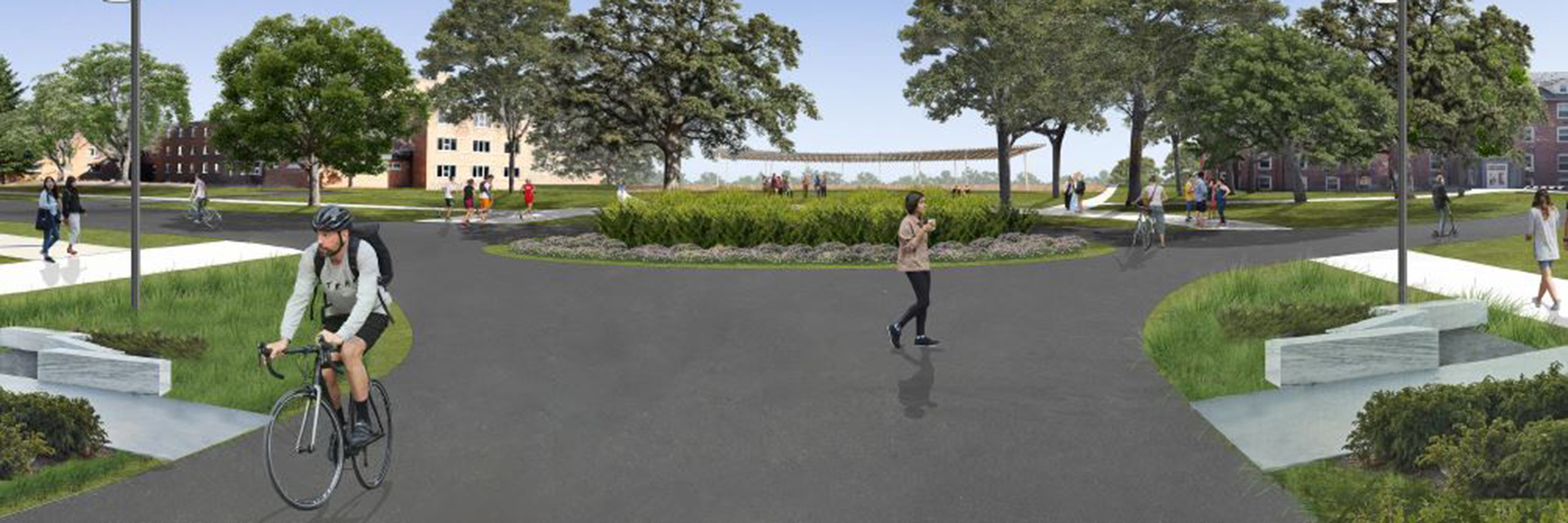
River Engagement
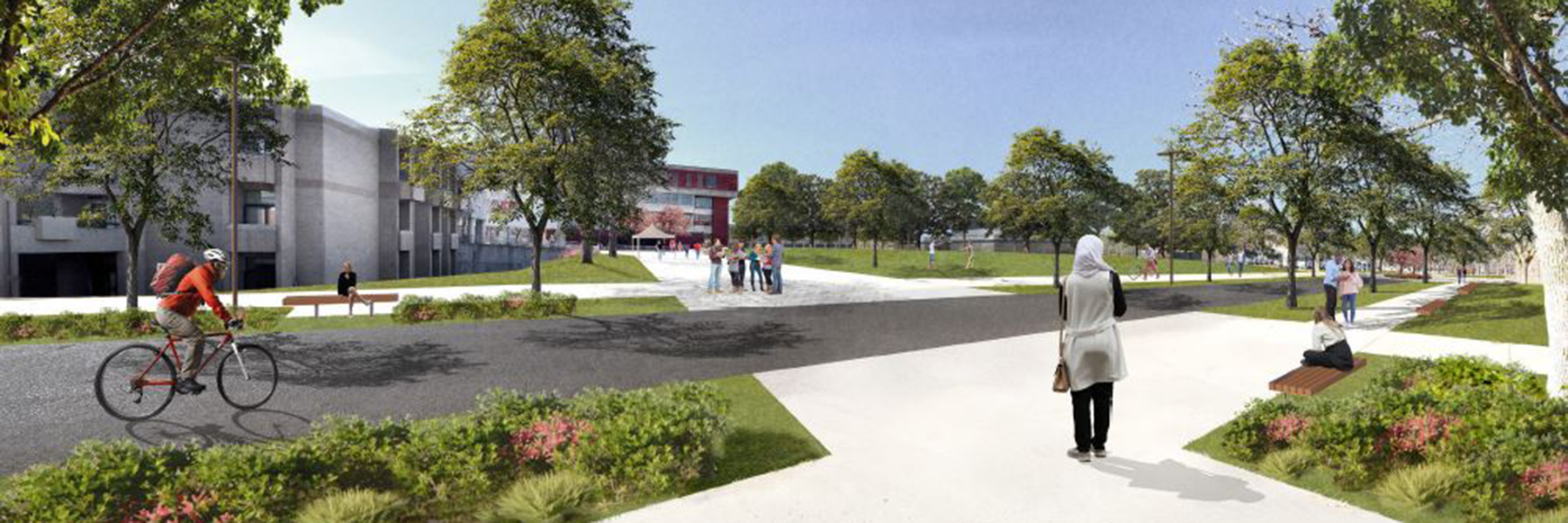
6th Street Enhancements
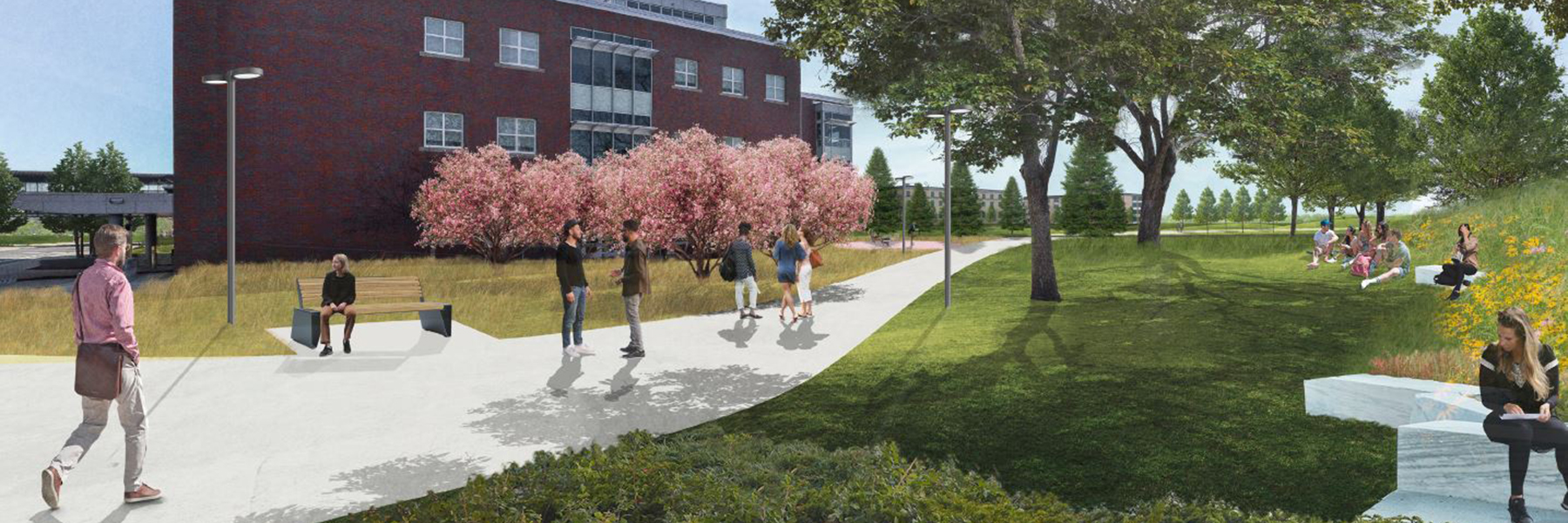
Southside Renovations