Department of Atmospheric, Earth & Geospatial Sciences
Facilities
Facilities that Take You from the Atmosphere to the Geosphere
Students in Atmospheric and Earth Sciences at SCSU receive applied learning with hands-on research spaces designed for exploring the planet from the atmosphere to the geosphere. Facilities support work with weather and climate data, maps and geospatial tools, rocks, minerals, fossils, water, and environmental samples, giving students opportunities to connect classroom concepts with real-world observation and analysis. These spaces help prepare undergraduate students for careers and graduate study in meteorology, earth science, paleontology, environmental science, geospatial science, and related fields.
Our Facilities
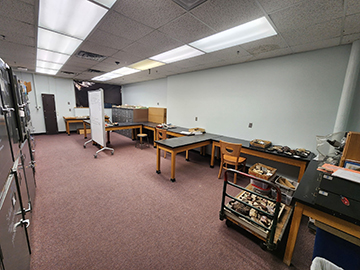
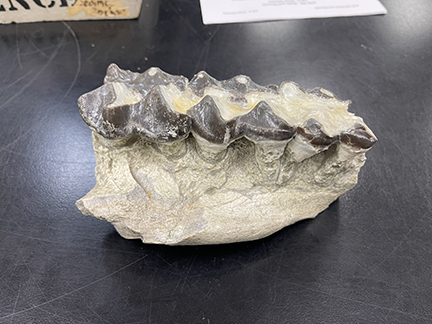
Rock, Mineral, and Fossil Collection
The SCSU Rock, Mineral, and Fossil (RMF) collection features rocks, minerals, and fossils from across Minnesota, giving students a hands-on look at the state’s deep natural history. From ancient bedrock and glacial deposits to minerals and fossil evidence of past environments, the collection helps students connect local landscapes with the geologic processes that shaped them. It serves as a valuable teaching resource for exploring Earth history, natural resources, and Minnesota’s changing environments through time.
Fossil Preparation Lab
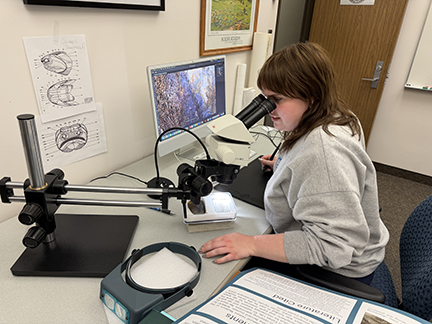
SCSU’s Fossil Preparation Lab allows students hands-on-training with how fossils are carefully uncovered, cleaned, prepared, and studied. The lab provides hands-on experience with the techniques used to prepare specimens for teaching, research, and display. By working directly with fossil material, students interested in earth sciences and paleontology gain a deeper appreciation for the process of discovering ancient life from the evidence preserved with various methods of fossilization.
Weather Center
The SCSU Weather Center gives students a hands-on space to explore the atmosphere in real time. Using weather observations, forecasting tools, radar, satellite imagery, and climate data, students learn how meteorologists track changing conditions and communicate weather information. The center connects classroom learning with practical forecasting experience, helping students better understand the weather patterns that shape Minnesota and the world around us.
Hydrology Lab
The Hydrology Lab gives students a hands-on way to explore how water moves across landscapes and through natural systems. With stream tables and flumes, students can model flowing water, erosion, sediment transport, flooding, channel formation, and watershed processes in real time. These tools help bring rivers, streams, surface, and ground-water dynamics into the classroom, turning complex environmental processes into something students can observe, test, and understand.